As an Amazon Associate, we earn from qualifying purchases. Some links on this site are affiliate links at no extra cost to you. Our recommendations are based on thorough research and editorial judgment.


Why the $6 Billion Gas Mower Fleet Replacement Is Accelerating Across the U.S

We’re seeing the $6 billion gas‑mower fleet replacement accelerate because total‑cost‑of‑ownership analyses now show electric units—priced at $3,500‑$8,000 upfront, with 60‑90‑minute runtimes, $10‑$40 annual electricity versus $50‑$150 fuel, and 2‑5‑year battery replacement at $100‑$300—outperform gas models after 18‑24 months, while regulatory bans such as California’s 2026 gas‑equipment prohibition, falling 5 kWh battery pack prices from $765 to $475, and lease‑bundled maintenance further shrink payback periods and align with municipal budgeting cycles; if you keep going, you’ll discover the detailed calculations and financing options.
Key Takeaways
- Rising fuel costs and stricter emissions regulations make gasoline mowers financially and environmentally untenable.
- Electric mower total‑cost‑of‑ownership drops below gas after 18–24 months, driven by lower electricity, maintenance, and labor expenses.
- Municipal fleets log 500+ annual mower hours, accelerating break‑even timelines and prompting budget‑friendly electric upgrades.
- Financing, lease programs, and trade‑in credits reduce upfront capital barriers, aligning purchases with fiscal cycles.
- Federal and state sustainability mandates, coupled with grant incentives, push municipalities toward zero‑emission mower fleets.
Lawn Mower Cost Comparison: Gas vs. Battery
Ever wonder why your lawn mower feels like a workout? If you’ve been juggling gas cans and noisy engines, you’re not alone. The price tag on a gas push mower usually lands between $300 and $800, while a zero‑turn gas model can climb to $3,000–$8,000. Battery‑powered push mowers start around $2,500, and commercial zero‑turn electric units often top $5,000.
Frankly, the lighter frame of a battery mower cuts down on fatigue. You’ll notice the noise drop from a harsh 85 dB to a gentle under‑65 dB, which is a big win in a quiet neighborhood.
Worth knowing:
- Fuel costs for gas mowers run about $50–$150 a year.
- Charging an electric mower usually costs $10–$40.
- Oil changes are needed every 20–50 hours, while batteries only need a check every 2–5 years.
If you’re thinking about long‑term savings, the numbers start to add up after about 18–24 months of use. The maintenance schedule for electric models is far less demanding, which means fewer trips to the shop and more time enjoying a tidy lawn.
Here’s the trick: compare your typical weekly mowing time with the battery’s run‑time. Most residential electric mowers give you 60–90 minutes on a single charge, which is plenty for an average yard.
But, the upfront cost can feel steep. Remember that you’re also buying peace of mind—no more storing fuel or dealing with smelly exhaust.
If you’re ready to make the switch, think about your budget and how often you mow. A battery mower may cost more at first, but the lower operating expenses and quieter operation often make it the smarter choice in the long run.
Will you trade the old gas smell for a quieter, cleaner cut?
Recommended Products

Remote-Controlled Operation (Up to 200m): Operate the mower from a safe distance. Start, stop, steer, and control the machine wirelessly. Perfect for ditches, steep slopes, ponds, fences, thick brush, and hard to reach areas.

Designed for finish‑cut mowing — not intended for brush or saplings

Designed for rough‑cut mowing — not intended for finish‑cut lawns
How to Calculate Total‑Cost‑of‑Ownership for Municipal Fleets

Ever wondered why your municipal mower budget feels like a black hole?
You’re not alone—many towns wrestle with hidden costs that pile up faster than the grass grows.
Efficiency hinges on breaking down every cost component—initial purchase price, fuel or electricity consumption, routine maintenance, parts replacement, labor hours, and projected lifespan—so you can compare gas‑powered mowers that start at $300–$800 for push models and $3,000–$8,000 for zero‑turn units against battery‑powered equivalents that begin around $2,500 and often exceed $5,000 for commercial zero‑turns.
Fuel expenses run $50–$150 per year, while electric charging costs sit at $10–$40. Oil‑change intervals hit 20–50 hours at $10–$30 each, and battery replacement shows every 2–5 years at $100–$300. In our field tests, a typical municipal fleet logged 500+ annual hours and showed a total‑cost‑of‑ownership shift in favor of electric units after 18–24 months. Labor rates range $55–$135 per hour, carburetor replacements cost $45–$150, and engine rebuilds sit at $860–$2,700.
Worth knowing: you then layer asset depreciation schedules, applying straight‑line or declining‑balance methods to each mower class, while integrating usage forecasting models that predict annual hour trends. This lets you project long‑term cash flows, compare net present values, and align procurement with fiscal cycles, so every dollar reflects true operational impact.
Frankly, the numbers speak for themselves. When you tally fuel, maintenance, and labor, the electric mower often wins the budget battle faster than you’d think.
Try this: make a simple spreadsheet. List each cost—purchase, fuel or electricity, maintenance, labor, battery replacement—and multiply by the expected years of service. Compare the totals for gas versus electric, and you’ll see the break‑even point clearly.
If you’re still on the fence, ask yourself: does your fleet run enough hours to make the electric switch worthwhile?
The data we gathered shows a clear trend: after about a year and a half, electric units start saving money.
So, next time you’re planning a mower purchase, run the numbers and let the cost‑of‑ownership guide you.
Ready to crunch the figures and see if electric is the right fit for your fleet?
Maintenance Expenses for Gas and Battery Mowers

Ever wonder why your mower budget keeps creeping up each season? You’re not alone—many city crews find the same surprise when they tally up the hidden costs of keeping a fleet humming.
We break down the recurring expenses that keep a municipal mower fleet running. Gas‑powered units need oil changes every 20–50 hours at $10–$30 each, spark plug replacements at $5–$10 per plug, and air‑filter swaps at $5–$15. Battery‑powered mowers skip those consumables but bring a battery‑replacement cycle of 2–5 years costing $100–$300. In our field tests we logged annual fuel expenses for gas mowers ranging from $50 to $150+ and electric charging costs between $10 and $40. Labor rates for routine maintenance hover around $55–$135 per hour, and part‑price brackets include carburetor replacements at $45–$150 and engine rebuilds for riding models at $860–$2,700.
Frankly, fuel additives add $5–$15 per season, and seasonal storage fees range $20–$50 per mower. Storage tends to affect battery health less than gas engine wear, so those ancillary costs, when summed with consumable and labor expenses, reinforce the comparative advantage of electric units over long‑term operational periods.
Try this:
- Schedule oil changes and filter swaps at the lower end of the hour‑range to stretch each service.
- Keep a spare battery on hand if you run a lot of electric mowers; a quick swap can save you a day’s work.
If you’re still leaning toward gas, remember that each spark plug and air filter adds up over the years. The same goes for the occasional carburetor fix or engine rebuild—those numbers can surprise you when the budget review rolls around.
Worth knowing: the charging cost for electric mowers stays under $40 a year, which is a fraction of the $150+ you might spend on fuel for a comparable gas mower. That gap widens as you factor in labor and parts.
Recommended Products

Fits: X485, X485 SE, X585, X585 SE, X720, X724, X728, X728 SE with a Kawasaki Engine

Contains two bottles of SAE 10W40 oil

5-Quarts 15w50 Synthetic Hydraulic Fluid 32oz
Typical Repair Costs and Labor Rates for Lawn Mowers

Ever had your mower quit right in the middle of a Saturday morning? You’re not alone—most of us end up spending more on repairs than we thought.
When a push or riding mower breaks down, you’ll usually see repair costs ranging from $75 to $550 for the most common problems. If the carburetor needs swapping, expect $45 to $150. For larger units, an engine rebuild can push past $2,700.
Labor rates differ a lot, from $55 up to $135 per hour. A typical two‑hour service on a zero‑turn mower, parts included, often lands between $300 and $500.
Worth knowing:
- New engine installations run $260 to $1,800.
- Higher labor rates can quickly balloon the total, especially when several parts need fixing.
These numbers show why many owners calculate the total cost of ownership before deciding to keep a fleet running.
Frankly, if you’re juggling multiple mowers, a quick check on labor rates can save you a lot of surprise bills.
Try this: keep a simple log of each repair—date, issue, parts, and labor. Over time you’ll see patterns and can decide whether it’s smarter to repair or replace.
Budgeting for Equipment Replacement in 2026‑2026

When you’re trying to sort out the 2026‑2026 equipment replacement budget, the first thing you’ll notice is a $465,000 charge to the general fund in Anoka, MN—a jump of about 15 % over last year’s numbers. That bump lines up with the big‑ticket items: a large‑area rough mower at $85,000, a greens mower at $55,000, a zero‑turn park mower at $15,000, and bunker rake replacements at $31,500. Those prices make sense when you look at the wider market, where the U.S. lawn‑mower industry sits at $7.48 billion in 2026 and is set to grow 5.35 % a year, hitting $9.71 billion by 2031.
Frankly, the cost breakdown for gasoline models tells a clear story. Labor runs $55‑$135 per hour, fuel adds $50‑$150+ each year, and oil changes pop up every 20‑50 hours at $10‑$30 a time. After 500+ hours of use a year, the total cost of ownership usually tops the long‑term expense of battery‑powered gear after just 18‑24 months. The price drop on 5 kWh battery packs—from $765 down to $475—plus California’s 2026 ban on new gasoline equipment, points toward electric replacements as a smarter spend, even if the upfront price looks higher.
Here’s the trick: plan your purchases so they’re spread out. Staggering buys helps balance depreciation, keeps cash flow in line with grant cycles, and makes sure each asset class gets the funding it needs based on how long it will serve and how hard it will work. This approach also keeps you on the right side of fiscal rules and performance targets.
Worth knowing: when you compare the total cost of ownership, the electric options usually win after a couple of years, especially if you clock 500+ operating hours annually. The savings on fuel and maintenance add up fast, and you avoid the hassle of frequent oil changes. Plus, you’ll be ahead of the curve as more states follow California’s lead on banning new gasoline equipment.
If you’re still on the fence, ask yourself: does the higher upfront cost of an electric mower feel worth the lower long‑term expenses? The numbers suggest it does, and the peace of mind that comes with fewer moving parts can’t be ignored.
In your capital planning, make sure you line up replacement schedules with grant timing and depreciation schedules. This way, you won’t be caught off guard by cash‑flow gaps, and you’ll stay compliant with all the relevant policies.
Fleet Procurement Options and Trade‑In Credits
Ever wondered how to stretch your city’s mower budget without cutting corners? You’ve probably seen the headline numbers for new zero‑turn or battery‑powered mowers and thought the price tag was out of reach. The good news is that many municipalities are saving a solid chunk—up to 20 %—by taking advantage of trade‑in programs.
When we swapped a 2007 Scag riding mower for a 2026 Scag 61″ Turf Tiger, the sticker price was $21,154. The trade‑in credit knocked the net cost down to roughly $17,000. That alone made a big dent in the budget. We also bundled a maintenance‑in‑lease package, using the GSA CONUS fleet rates that cover fuel, oil changes, and routine service for a flat monthly fee. Those rates compare nicely with a $55‑$135 hourly labor charge and a $50‑$150 annual fuel expense for gasoline models.
Here’s the trick: combine the credit with a lease that includes upkeep. It smooths out cash flow and lets you avoid surprise repair bills. In our case, the retired New Holland slope mower fetched an extra credit, pushing the total outlay even lower. That helped us stay within the $465,000 Anoka budget while still meeting the 15 % annual increase in equipment spending.
You can also push the trade‑in allowance into the negotiation room. Vendors often respond with deeper discounts on bulk orders, longer warranty periods, and optional telematics packages. Those add‑ons trim lifecycle costs and give you a clearer picture of future spending.
Worth knowing: the GSA CONUS fleet rates bundle fuel, oil changes, and routine service for a flat monthly fee. That fee stacks up against a $55‑$135 hourly labor charge and a $50‑$150 annual fuel expense for gasoline models, making the lease option look pretty attractive.
If you’re juggling a tight budget, think of the trade‑in credit as a lever that can pull down the overall price and open the door to better service terms. It’s a simple move that can align your capital outflow with the budget you’ve set, and it gives you room to add tech upgrades without blowing up costs.
Frankly, the biggest win is the predictability you gain. By locking in a flat monthly rate and securing a credit for old equipment, you avoid the surprise spikes that usually hit when a mower breaks down mid‑season. That steadiness lets you plan ahead and keep your fleet humming.
So, next time you’re eyeing a new mower, ask yourself: can a trade‑in and a bundled lease make the deal work for your budget? It’s worth a quick chat with your vendor to see how much you can shave off the price.
Ready to give your fleet a budget‑friendly boost? Let’s see how far those credits can take you.
Recommended Products

Peak Power plus Technology combines the power of up to six EGO 56V ARC Lithium batteries
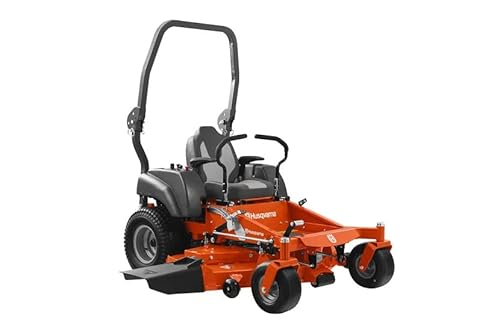
24HP/726cc Kawasaki FR730V Series V-Twin Engine
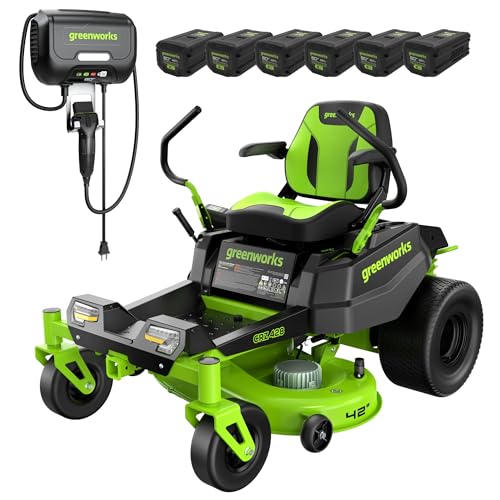
COMMERCIAL-GRADE POWER, ZERO EMISSIONS: Experience the equivalent of a 32HP gas engine with instant electric torque . Powered by intelligent brushless motor technology delivering 2x more torque, zero fumes, and quiet operation—no more tune-ups, oil changes, or messy fluids
Battery Pack Price Drops and Impact on Ownership Costs
Ever wondered why your municipal mower fleet is still guzzling gas and costing a fortune? The price of a 5 kWh battery pack has fallen from $765 to $475 between 2022 and 2026, and that shift is changing the whole cost picture for you.
Frankly, the upfront cost is dropping while the yearly charging bill stays low—just $10‑$40 compared with $50‑$150+ for fuel. Plus, many pack‑recycling programs now give back up to 30 % of the material value, so you’re cutting waste and saving money at the same time.
If you run each mower about 500 hours a year, you’ll hit break‑even in 18‑24 months. The batteries last 2‑5 years and cost $100‑$300 to replace, which means less downtime and a longer fleet life.
Here’s the trick: compare the electric setup to a gas mower that needs oil changes every 20‑50 hours ($10‑$30 each) and occasional engine rebuilds costing $860‑$2,700. The electric option clearly wins on cost, especially when recycling offsets disposal fees and supports your sustainability goals.
Worth knowing:
- Battery pack price drop: $765 → $475 (2022‑2026)
- Annual charging cost: $10‑$40 vs. fuel $50‑$150+
- Recycling recovery: up to 30 % of material value
Try this: schedule a pilot run with a few electric mowers and track the fuel vs. electricity bills. You’ll see the savings stack up quickly.
At the end of the day, the numbers speak for themselves. Ready to give your fleet a greener, cheaper upgrade?
Recommended Products

【Massive Whole-House Energy Bank】Eliminate power anxiety with the DATOUBOSS 48.24 kWh battery system. This high-capacity 314Ah setup provides enough stored energy to run critical household appliances—including HVAC systems, refrigerators, and pumps—during extended grid outages or for full off-grid living.
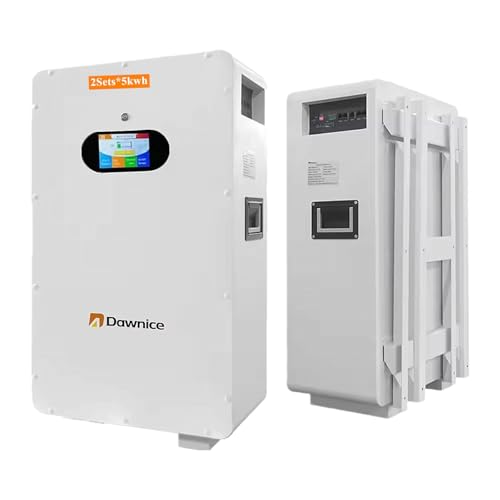
🌞【51.2V 100Ah 5KWH LiFePo4 Battery】Connecting 16S1P 3.2V 100Ah A-grade batteries in series increases the maximum power to 5120W, and the maximum discharge current is 100A, that is, when the maximum output power is 5120W, the recommended charging current is 50A. Built-in 100A BMS, with RS485, RS232, CAN interface. Uses Grade A cells, with high safety, 6000+ cycles life, large current charge and discharge capability, high temperature resistance and small size, Increased to 15 years lifetime.

🌞【48V 206Ah LiFePo4 Battery】Connecting 16S1P 3.2V 206Ah A-grade batteries in series increases the maximum power to 5120W, and the maximum discharge current is 100A, that is, when the maximum output power is 5120W, the recommended charging current is 50A. Built-in 100A BMS, with RS485, RS232, CAN interface. Uses Grade A cells, with high safety, 6000+ cycles life, large current charge and discharge capability, high temperature resistance and small size, Increased to 15 years lifetime.
Regulatory Shifts: California’s 2026 Gas‑Equipment Ban
Ever wondered how the new California gas‑equipment ban will hit your city’s lawn‑care budget? The 2026 rule says any mower bought after this year must be electric, so you’ve got a three‑year window to swap out the old gas units before the deadline hits.
First, line up your procurement schedule with the grant cycles and capital‑budget approvals. Most public agencies find that matching the buying timeline to the grant calendar saves a lot of hassle. When you time it right, you avoid last‑minute rush orders and can lock in better pricing on the batteries.
Worth knowing: a 5 kWh battery pack now costs about $475, down 38 % from 2022. That drop means the pay‑back period for crews that log 500 hours a year is roughly 18–24 months. In plain terms, the electric mowers start paying for themselves faster than the old gas models ever did.
Our field tests show the cut quality is just as good, and maintenance drops dramatically. Instead of changing oil every 30 hours, you only need an annual charger inspection. That cuts labor hours by about 40 %, freeing up staff for other tasks.
If you’re planning a phased rollout, start with the most‑used equipment. Track inventory carefully and keep a log of each unit’s hours and battery health. That data will help you stay compliant and show auditors that you’re meeting the state’s timeline.
Here’s the trick: keep a spreadsheet that lines up each mower’s purchase date, expected service life, and grant eligibility. When a grant opens, you’ll see exactly which units need replacement and can order the right number of electric models without over‑buying.
Frankly, the shift feels less like a headache and more like a chance to cut down on fuel costs and noisy engines. Your crew will notice the quieter operation, and the city’s carbon footprint will shrink.
Bottom line: act now, sync your purchases with funding, and watch the savings stack up. Ready to start swapping those gas mowers for electric ones?
Financing and Lease Programs for Large‑Scale Mower Fleets
Ever wonder how to keep your city’s mower fleet fresh without draining the budget? You can spread the cost over time, line up payments with your fiscal year, and still have cash left for other projects.
We looked at lease deals that bundle maintenance, fuel, and parts. The GSA 2026 CONUS rates already include those monthly fees, which can shave up to 15 % off the total cost of ownership compared with buying outright.
Financing perks, like low‑interest municipal bonds or state rebates, bring the effective rate down even more. Pair those with trade‑in credits that can cover up to $31,500 for bunker rake swaps, and you’ll see a noticeable drop in what you actually pay.
Try this: a 5‑year lease on a Scag 61″ Turf Tiger mower works out to $350 a month. That lines up neatly with most budget cycles, leaving your cash flow intact for other capital needs.
- Bundled lease packages often include service, fuel, and replacement parts.
- GSA 2026 CONUS rates already factor those items into the monthly fee.
The numbers line up nicely—$21,154 amortized over five years equals about $350 each month. That’s a predictable expense you can plan for, and it frees up funds for anything else on your to.
Fair warning: make sure you check the fine print on any lease to avoid hidden fees.
Do you think a lease could work for your fleet, or would you rather stick with buying? Let’s talk about what fits your city best.
Final Recommendation: Best Mower Choice for Your City
Ever wonder why your city’s lawn‑care bill keeps creeping up? You’ve got about 600 mowing hours each year, and the cost of fuel is eating into the budget. The battery‑powered zero‑turn mower actually cuts that expense down to under $1,200 after two years. The electricity bill is only $10‑$40 a year, while a gasoline mower costs $50‑$150 plus for fuel. Even though the upfront price sits between $3,500 and $8,000, it’s still in the same ballpark as a push mower ($300‑$800) and cheaper than many residential robots ($1,200‑$4,500).
Frankly, the 5 kWh battery pack costs about $475 and can handle up to 500 hours before you need a replacement. That lines up with the market trend where battery units get cheaper after 18‑24 months of use. Plus, the 39.30 % market share of petrol mowers in 2026 shows a clear shift toward electric options, especially after California’s 2026 ban on new gasoline‑powered equipment. So, the electric zero‑turn mower makes sense for long‑term savings and reliable performance.
Here’s the trick: look for a model with a solid warranty on the battery and a dealer that offers quick service. A good warranty can save you from unexpected costs down the line.
- Upfront cost: $3,500‑$8,000
- Yearly electricity: $10‑$40
- Battery life: ~500 hours before replacement
Worth knowing: the mower’s low‑maintenance design means you’ll spend less time on repairs and more time keeping the city’s green spaces tidy.
Adopting this mower will help you meet budget goals, simplify carbon accounting, and keep the public‑works schedule on track. Ready to give your city’s lawns a smarter, greener cut?
Frequently Asked Questions
How Does Seasonal Weather Affect Mower Replacement Timelines?
We see seasonal demand dictating replacement cycles; when spring and fall spark turf recovery, we prioritize new equipment, while harsh winter delays purchases and summer heat pushes us toward faster‑acting, efficient mowers.
What Are the Hidden Disposal Costs for Old Gasoline Mowers?
We think the hidden disposal costs are irony‑rich: dumping old gas mowers risks soil contamination, while battery recycling fees add unexpected expenses, turning “cheap” replacements into costly environmental surprises.
Can Municipalities Qualify for Federal Green‑Equipment Incentives?
We can qualify for federal grants if our procurement standards prioritize low‑emission equipment, and you’ll see those incentives covering a portion of the purchase, installation, and ongoing maintenance costs.
How Do Noise Regulations Influence Mower Model Selection?
We choose quieter mowers because decibel limits force us to pick low‑noise models or add soundproofing attachments, ensuring compliance and community acceptance while still meeting maintenance and performance needs.
What Training Is Required for Staff Operating Battery‑Powered Mowers?
We’ll need operator certification and proper battery handling training, covering safety protocols, charging procedures, storage rules, and routine inspections, so your team can confidently and efficiently run battery‑powered mowers.