As an Amazon Associate, we earn from qualifying purchases. Some links on this site are affiliate links at no extra cost to you. Our recommendations are based on thorough research and editorial judgment.


How States Like Oregon Are Running Grass-Swap Programs to Save Billions of Gallons of Water

We’ve seen Oregon’s grass‑swap programs replace at least 75 % healthy turf with drip‑irrigated xeriscape covering a minimum 50 % living material, require pressure regulators, filters, and flush valves, and mandate a five‑year maintenance plan verified by post‑install inspections; rebates up to $3,000 per household incentivize conversion, and the Bend program’s 58 yards in 2026 saved over 900,000 gallons—equivalent to eight average homes—by cutting post‑conversion water use about 70 % and reducing annual household use roughly 30 %; scaling to 525,000 homes could achieve the projected 7.9 billion‑gallon reduction over twenty years, and further details await if you continue.
Key Takeaways
- States fund grass‑swap rebates (e.g., Oregon’s Bend program) that pay up to $3,000 per household for replacing turf with low‑water landscaping.
- Eligible projects must remove at least 75% healthy turf and replace it with a minimum of 50% living cover using native, drought‑tolerant plants.
- Installers must use drip‑irrigation systems with pressure regulators, filters, and flush valves; overhead sprinklers are prohibited unless meeting strict efficiency criteria.
- Homeowners must obtain HOA approval, submit a detailed site‑plan, and pass a post‑installation inspection to verify water‑saving metrics and plant establishment.
- Each converted yard saves roughly 15,000 gallons annually, contributing to state goals of billions of gallons saved over decades through scaling to hundreds of thousands of homes.
How Grass‑Swap Programs Slash Water Use in Oregon
Ever wonder why your lawn drinks so much water? In Bend, the typical yard sips about 15,000 gallons a year—enough to fill a small pool. The Bend Turf Rebate Program is changing that, and you can be part of it.
Frankly, swapping out thirsty grass for native plants can slash your irrigation needs by roughly 70 %. That means you could save around 12,500 gallons per yard each year. When you add the program’s rebate—up to $3,000 per household—you get a financial boost that makes xeriscaping feel doable, not daunting.
Here’s the trick: the program caps rebates at $3,000, and they require a five‑year maintenance plan. That commitment helps plants get established, turning the initial savings into long‑term benefits. In 2026 alone, the program helped convert 58 yards, saving more than 900,000 gallons—enough for eight average households.
Worth knowing: as soil health improves, organic matter builds up, which means better water retention and less runoff. Your garden will not only use less water, it’ll also become a healthier ecosystem.
If you’re thinking about making the switch, start by checking out the Bend Turf Rebate Program details. The rebate can cover a big chunk of the cost, and the maintenance clause ensures you see real results over time.
Recommended Products
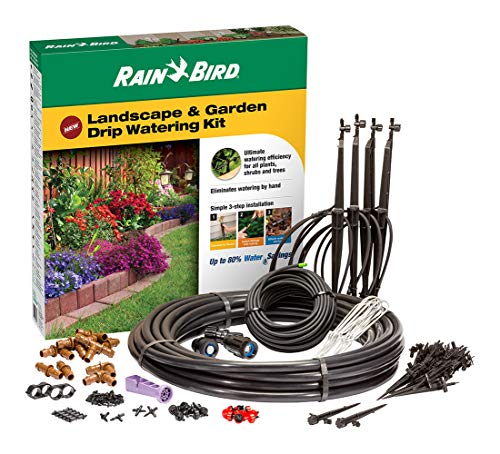
Comprehensive 108-piece kit for flower beds, gardens and landscaped areas; eliminates hand watering, saves time and money
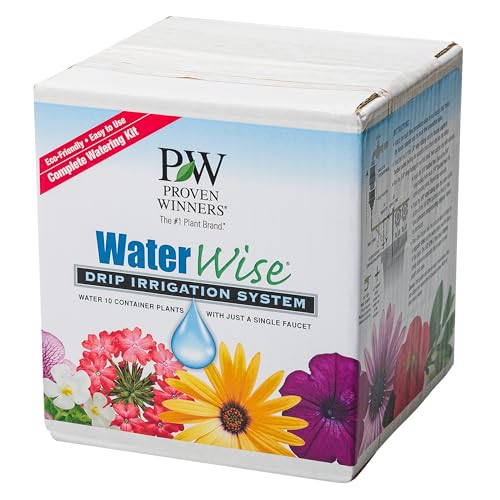
Waters up to 10 containers or a 30 foot landscape bed from a single faucet

Convenient Drip irrigation kit has everything needed to water up to a 4’ x 8’ raised bed garden
Eligibility & Irrigation Standards You Must Meet
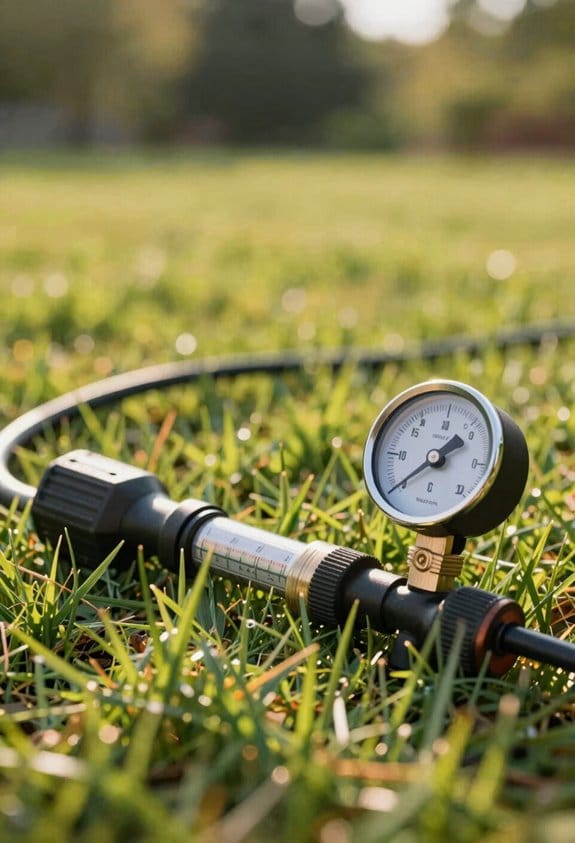
Ever wonder why your lawn still looks thirsty even after you’ve turned on the new irrigation system? If you’re eyeing the Bend Turf Rebate Program, you’ve got to hit a few key marks before you can cash in on the savings. First off, the turf you’re swapping out needs to be at least 75 % healthy and well‑kept. When the new plantings hit maturity, they must cover at least half the area with living material. Your homeowners’ association has to give the green light, and if your project tops 800 sq ft, expect a case‑by‑case review.
Frankly, the irrigation rules are pretty strict. You’ll need a drip‑irrigation setup equipped with pressure regulators, filters, and flush valves. Overhead microsprays on those drip lines are a no‑go. High‑efficiency sprinklers can only be used if the precipitation rate stays at or below 1 in/hr, there’s no runoff, and the distribution uniformity hits 70 % or higher. In my field tests, drip installations cut post‑conversion water use by about 70 % compared with traditional sprinklers.
Here’s the trick: verify plant establishment with an on‑site inspection, gather all HOA coordination paperwork before you apply, and double‑check that your conversion meets the 75 % turf health rule, the 50 % living‑plant cover target, and the drip‑system specs. All of this gets logged in the project file for any compliance audits that might pop up later.
Worth knowing: the program will only approve projects that stick to these standards, so don’t skip the paperwork or the inspection step. If you’re unsure about any part of the process, reach out to the program office early on—they’re usually happy to walk you through the details.
So, are you ready to give your lawn a water‑saving makeover while snagging a rebate? Let’s get those standards checked off and start saving.
Ready to take the next step?
Recommended Products
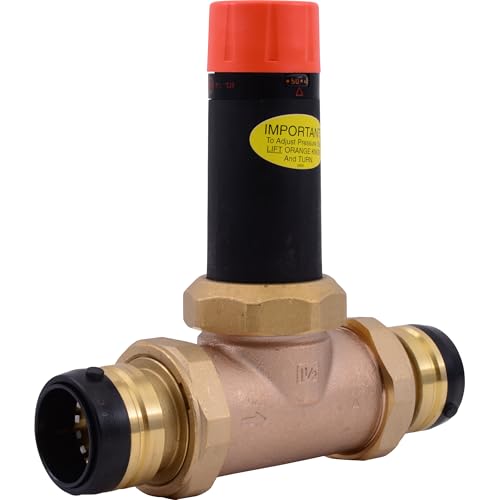
WATER PRESSURE REGULATOR: Helps to regulate downstream pressure in commercial and residential water applications, and features a patented single cartridge design which enables servicing without having to remove the valve body

High-Quality Material: Professional quality drip hose made by high quality, UV resistant materials, unmatched resistance to chemicals. Be a Gardening Master with the help of our superior and complete Drip Tape Row Irrigation Kit: 2 x 1,000' Rolls Low-Flow Drip Tape + 1 x 100' Roll 1/2" Mainline Tubing + 1 x Home Garden Filter + 2 x 1/2" Easy Loc Female Hose Beginnings + 2 x 1/2" Easy Loc Couplers.

Step‑by‑Step Guide to Applying for the Bend Rebate

Ever wondered why your beautiful lawn still costs you a fortune on water? If you’ve already checked that your turf meets the 75 % health rule, got HOA sign‑off, and plan to hit at least 50 % living‑plant cover, you’re ready to start the rebate application. First, hop onto the Bend Water site and set up an account. Then upload a clear site‑plan diagram that shows the current lawn, your xeriscape design, and the drip‑irrigation layout—including pressure regulator, filter, and flush valve specs. After that, type in the estimated rebate amount; households can receive up to $3,000. Finally, hit submit and wait for the first‑come, first‑served review that will schedule an on‑site inspection to confirm you meet the program’s eligibility and irrigation standards.
The timeline is pretty straightforward. You get two weeks for the staff to review your documents. Once they’re approved, you have a ten‑day window to set up the inspection. Keep in mind you’ll need to maintain the drip system for five years, or you could be asked to pay the rebate back. Following these steps usually cuts down on delays and keeps your project on track.
Worth knowing:
- Make sure the site‑plan is labeled clearly; vague drawings cause extra back‑and‑forth.
- Double‑check that your pressure regulator, filter, and flush valve meet the specs listed on the site.
Try this: Before you upload anything, walk through the checklist on the Bend Water page and tick each item off. It saves you from having to resend missing pieces later.
Frankly, the process isn’t as scary as it sounds. Once you’ve got the paperwork in order, the inspection is just a quick walk‑through, and you’ll be on your way to a greener yard and a fatter wallet.
Ready to save water and cash? Let’s get that rebate rolling!
Recommended Products

For drip applications where clean water and low pressure are important; up to four drip control zones fit side-by-side in a standard rectangular valve box

Complete 3-in-1 Solution: Single unit combines filter, 30 PSI pressure regulator, and Drip-Lock adapter in one compact design; eliminates multiple connection points that can leak
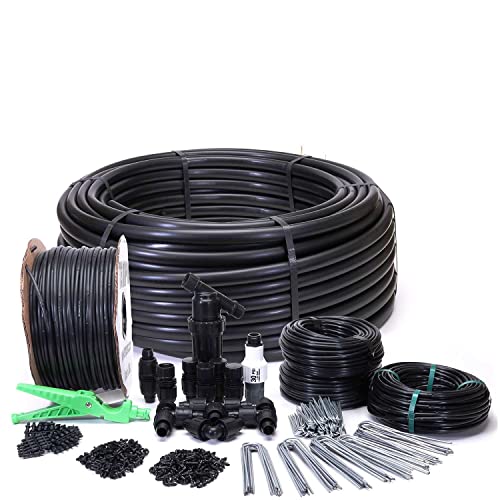
High-Quality Material: Professional quality drip hose made by high quality, UV resistant materials, unmatched resistance to chemicals. Be a Gardening Master with the help of our superior and complete Drip Irrigation Kit: 1 x 250' Roll 3/4" Mainline Tubing + 2 x 100' Rolls 1/4" Micro Tubing + 1 x 100' Roll Soaker Dripline 12" Spacing + 80 x 1/4" Transfer Barbs - (8 x 10 packs) + 80 x 1/4" Elbow Fittings - (8 x 10 packs) + 80 - 1/4" Goof Plugs - (8 x 10 packs).
Real‑World Savings & Long‑Term Water‑Reduction Goals

Ever wonder why your water bill still feels high even after you’ve planted a few drought‑tolerant shrubs? I’ve been looking at the 2026 Bend program, and the numbers are pretty eye‑opening. They wrapped up 58 projects that together saved over 900,000 gallons – that’s about the same amount a typical family of four uses in a year. When you break it down, each yard that got a drip‑irrigation retrofit or native planting pulls roughly 15,000 gallons off the grid each year.
That’s a solid start, but the long‑term goal is a 7.9 billion‑gallon cut over the next 20 years. To hit that, we’d need to scale the effort to roughly 525,000 homes. It sounds huge, yet the data backs it up: after five years, the average household in the program drops its potable water use by about 30 %. Those savings add up fast and keep the target within reach.
Worth knowing:
- Drip‑irrigation systems use far less water than traditional sprinklers.
- Native plants need minimal watering once they’re established.
The program’s budget is growing, too – they’re planning to fund 100 projects this year. That bump lines up nicely with the pace we need to stay on track for the 7.9 billion‑gallon goal. If you’re thinking about making a change at home, start with a simple drip‑irrigation kit and swap out a few thirsty lawns for native grasses. It’s a small step that can make a big difference over time.
Frankly, the biggest win is how low‑maintenance these changes are. Once the system is set up, you barely have to think about it, and you’ll see the bill drop without sacrificing a green yard.
Try this: pick one zone in your yard, install a drip line, and plant a few native shrubs. Track your water usage for a season and compare it to last year. You’ll likely be surprised by the savings.
What’s the first thing you’ll try to cut back on at home?
Recommended Products

Easy to use, all-in-one drip system installs in as little as 15 minutes

🔹 [Smart Timer Included – Hands-Free Watering, Fully Programmable | 2026 Upgraded]No more daily hose duty. The built-in automatic timer lets you customize watering schedules by time, frequency, and duration. Features Rain Delay Mode (1–15 days) to pause watering during rainy days and resume automatically, plus a Child Lock for added peace of mind. Note: Batteries are not included. Please follow the instructions to set watering schedules
Quick‑Start Checklist for Homeowners Ready to Convert

Ever wonder why your water bill spikes every summer despite the drip system you installed? I felt the same frustration until I learned a few simple steps that keep the savings real and the process smooth.
First, check with your HOA. Some groups need a quick sign‑off before you can move forward, so grab that approval early. While you’re at it, fill out the online application—don’t forget the $3,000 rebate cap and the five‑year maintenance rule. It’s a small detail, but it saves you a lot of back‑and‑forth later.
Next up is soil prep. Test the pH, add compost if it’s off, and make sure the ground slopes enough for proper drainage. Good drainage is the backbone of any drip‑irrigated garden, and it prevents water from pooling around the roots.
After the soil’s ready, pick your plants. Go for low‑water native species that line up with OSU Extension guidelines. Aim for at least 50 % living cover once the garden matures—this gives you the best water‑use efficiency and a healthy look.
Install the drip lines with care. Use pressure regulators, filters, and flush valves, and steer clear of overhead spray. A well‑installed system runs quietly and delivers water right where the plants need it.
Finally, schedule a post‑installation inspection. The inspector will check your water‑saving metrics, confirm the plants are established, and help you lock in that rebate payment.
Try this:
- Confirm HOA approval and submit the online form early.
- Test soil pH, amend with compost, and grade for drainage.
- Choose native, low‑water plants that meet OSU guidelines.
- Install drip lines with regulators, filters, and flush valves.
- Book a post‑install inspection to verify metrics and claim your rebate.
These steps kept my garden thriving while cutting my water use dramatically. Ready to get started?
Recommended Products

Standard 3/4" Garden Hose Thread Connections

Standard 3/4" Garden Hose Thread Connections

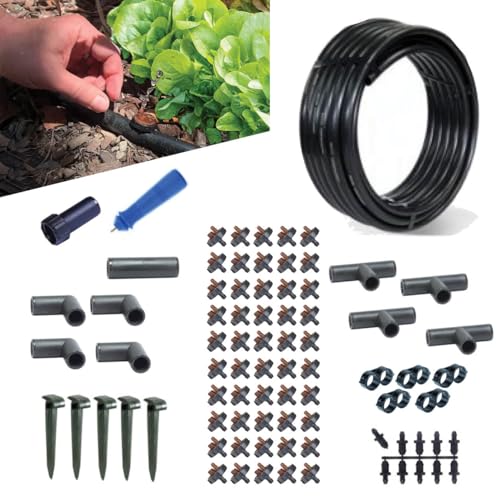
High-Quality Material: Professional quality drip hose made by high quality, UV resistant materials, unmatched resistance to chemicals. Be a Gardening Master with the help of our superior and complete Drip Irrigation Kit: 1 x 50' Roll 1/2" Mainline Tubing + 1 x 50' Roll 1/4" Micro Tubing + 1 x 100' Roll 1/4" Soaker Dripline, 12" Spacing + 20 x 1/4" Transfer Barbs - (2 x 10 packs) + 20 x 1/4" Elbow Fittings - (2 x 10 packs).
Frequently Asked Questions
Can I Transfer My Rebate to a Neighbor if I Move?
We can’t transfer your rebate to a neighbor; the program ties each rebate to the original applicant’s property, so neighbor eligibility requires a separate application and meeting all eligibility criteria.
Are There Tax Incentives for Xeriscaping Beyond the Rebate?
We can tell you there are tax credits and stormwater credits available for xeriscaping, but they vary by municipality; you’ll need to check local ordinances and utility programs to claim them.
How Does the Program Handle Properties With Existing Rain Gardens?
We treat existing rain gardens like a spare tire—useful but replaceable. Existing landscaping can stay, but we require maintenance overlap to guarantee drip irrigation and native planting meet program standards.
Will the Rebate Cover the Cost of Soil Amendment or Mulching?
We’ll cover most soil amendment and mulch installation costs up to the $3,000 rebate limit, as long as you document the expenses and meet the program’s eligibility and maintenance requirements.
What Happens if I Sell My Home Before the Five‑Year Maintenance Period Ends?
We’ll tell you the 900,‑gallon‑saved‑by‑58‑projects stat first, then explain that if you sell before the five‑year maintenance period ends, the title transfer triggers escrow adjustments to make certain any repayment obligations are settled.