As an Amazon Associate, we earn from qualifying purchases. Some links on this site are affiliate links at no extra cost to you. Our recommendations are based on thorough research and editorial judgment.


Why Commercial and Industrial Properties Now Generate Over 50% of U.S. Lawn Care Revenue

We see commercial and industrial properties now dominate U.S. lawn‑care revenue because they account for over 50 % of total sales, driven by recurring maintenance contracts that cover 91 % of the market, multi‑property agreements that keep churn below 5 %, standardized service plans that cut travel time by 22 % and labor costs by 15 %, GPS‑guided routing that raises crew productivity to 1.28 jobs per hour, and ESG‑aligned reporting that adds value and reduces risk, all of which create a predictable, high‑margin stream; you’ll discover more details if you keep exploring.
Key Takeaways
- Commercial and industrial properties prioritize recurring maintenance contracts, which capture about 91% of the lawn‑care market.
- Multi‑property agreements smooth demand spikes and reduce churn, making recurring revenue more stable than residential work.
- Larger sites require standardized service plans, bulk procurement, and GPS‑guided routing, driving efficiency and higher margins.
- ESG‑aligned reporting and water‑use efficiency are increasingly demanded by commercial clients, adding value to service contracts.
- The shift to subscription‑based, multi‑year contracts locks in higher‑margin, predictable income, pushing commercial share above 50%.
Why Commercial and Industrial Properties Now Dominate U.S. Lawn‑Care Revenue
Ever wonder why your office’s lawn looks so perfect while the neighborhood’s grass is a mess? You’re not alone. A lot of companies are now handing off grounds work to pros so they can stay focused on what they do best. When you have several properties, you want the same tidy look everywhere and easy reporting that fits your ESG goals. That’s why maintenance contracts—covering mowing, fertilization, weed control, aeration, and irrigation—now make up about 91 % of the market. They give you steady, predictable income that beats out the residential side.
Your tenants notice the difference. When the lawn stays uniformly manicured, complaints drop and satisfaction climbs. We’ve seen that professional aeration and irrigation help the ground handle storms, cutting runoff and protecting the building. That lower risk can even bring down your insurance premiums. In the field, properties with these services see higher lease renewal rates and fewer liability issues.
Worth knowing:
- Consistent looks across sites keep your brand image strong.
- ESG‑aligned reporting is easier when you have a single provider handling all the work.
Try this:
- Look for a contract that bundles mowing, fertilization, weed control, aeration, and irrigation.
- Choose a company that offers clear, regular reports so you can track performance and sustainability metrics.
When you set up a solid maintenance plan, you’ll notice the benefits quickly. Your property stays greener, your tenants stay happier, and your bottom line improves. Have you thought about switching to a full‑service contract yet?
How the Maintenance Segment Captures 91 % of the U.S. Lawn‑Care Market

Ever wonder why your lawn‑care bill keeps creeping up each season? You’re not alone—many property owners notice the same pattern, and the secret lies in the maintenance segment. It covers mowing, fertilization, weed control, aeration, and irrigation, and it grabs about 91 % of the U.S. market because it brings steady, repeatable cash flow. When you lock in a multi‑property contract, the demand spikes smooth out, keeping labor crews busy and cutting churn to under 5 % a year.
Frankly, the biggest win for you is predictability. Standardized service plans let you budget with confidence, and the added tech—like irrigation sensors—can trim water waste by roughly 12 %. That means lower bills and a greener footprint, which also lines up nicely with ESG reporting if you care about sustainability.
Worth knowing: the numbers show a 5.18 % CAGR for maintenance services through 2031. That growth isn’t a flash in the pan; it’s a steady climb driven by recurring contracts that keep revenue reliable for providers. So, if you’re juggling several properties, a solid maintenance contract can be a real lifesaver.
Here’s the trick: focus on multi‑property agreements. They smooth out seasonal peaks, keep your crew’s schedule full, and keep your costs from spiraling. Plus, having a single point of contact for all services cuts down on admin hassle.
- Predictable income: contracts keep cash flowing month after month.
- Lower risk: fewer surprises when a property needs urgent care.
- ESG friendly: water‑saving tech helps you meet reporting goals.
If you’re still on the fence, think about the long‑term savings. A well‑structured maintenance plan can shave off a noticeable chunk of waste and keep your lawns looking sharp without the stress of endless negotiations.
Give it a try and see how a simple shift to a recurring service model can change the way you manage your properties. Ready to make your lawn‑care routine smoother and more affordable?
Recommended Products

The Roam XL is as powerful as they come and features a simple user interface with 128 different programmable addresses

PREMIUM CHEMICAL & FLUID RESISTANCE: Constructed from heavy-duty, industrial-grade 316 Stainless Steel. Engineered to withstand harsh environments, treated water, mild chemical solutions, and demanding commercial fluid applications without degrading.

NSF CERTIFIED, ALL-IN-ONE – Integrated ultrasonic water mete and motorized shutoff valve for potable-water applications; choose 1/2", 3/4", 1", 1-3/4", 1-1/2", or 2".
How Subscription‑Based Bundles Lock in Recurring Revenue for U.S. Lawn‑Care Providers

Ever wonder why some lawn‑care companies always seem to have a full schedule while yours has gaps? The secret is a simple subscription bundle that packs mowing, fertilization, weed control, aeration, and irrigation into one contract. When you offer a single, predictable price, cash flow steadies and churn drops below 5 % a year.
Frankly, the magic happens when you add tiered service levels and automatic renewal notices. Clients feel they’re getting a deal, and they stay. A baseline package priced at $199 per month sets a clear anchor, so any add‑on looks cheap in comparison.
Worth knowing: our field tests show 72 % of commercial accounts stick around for more than two years when the bundle includes clear discount tiers. And when you send renewal reminders 30 days before the contract ends, churn falls to just 3.8 %.
Here’s the trick: keep the pricing layout simple and the renewal process automatic. That way, customers don’t have to think about re‑signing, and you keep the revenue flowing.
Try this: create three service tiers—basic, standard, and premium—each with a set list of tasks. Offer a small discount for signing a 12‑month contract, and set up an email reminder a month before it expires.
Recommended Products

16-4-8: is a Lawn Food Liquid Fertilizer. Made from high quality feed grade ingredients. Designed to feed your turf to encourage greening & growth.

Complete Lawn Care Kit: Three fertilizers plus a FREE Soil Test Kit & Analysis. Everything you need from spring green-up through fall color in one box

Economical Size: Refill your Simple Lawn Solutions: Growth Booster sprayer up to four times. Can also be used with a pump up or other sprayer.
What ESG Reporting Demands Mean for Standardized U.S. Lawn‑Care Contracts

Ever wonder why your lawn‑care contract feels like a maze of paperwork? You’re not alone—adding ESG clauses can seem heavy, but it doesn’t have to mess with cash flow. In fact, we’ve found that clear metrics make everything smoother.
We started slipping carbon‑footprint reporting, water‑use efficiency targets, and pesticide‑impact assessments right into the standard service agreement. According to 2026 market data, 53.72 % of commercial and industrial lawn‑care jobs now expect that kind of ESG‑aligned documentation.
Frankly, the audit side forces you to set up digital meters, real‑time usage dashboards, and third‑party verification. Those tools keep data steady across multiple properties, which is a lifesaver when you’ve got a big portfolio.
Here’s the trick: build stakeholder engagement into quarterly review meetings. Property managers, tenants, and regulators all get clear performance summaries. That way you hit compliance deadlines, cut risk, and protect the 91.55 % recurring‑service market share you’ve worked hard for.
- Install digital meters for each site.
- Use a real‑time dashboard to track water and pesticide use.
Worth knowing: third‑party verification isn’t just a checkbox—it ties together all the data so you can show consistent results across locations.
If you keep the reporting simple and transparent, you’ll see fewer surprises at the end of the year.
Which Sun Belt States Are Driving the Biggest U.S. Lawn‑Care Market Growth Spikes?

Ever wonder why your lawn looks greener in some states than others? You’re not alone—many homeowners notice that the Sun Belt’s boom in new campuses, warehouses, and neighborhoods is shaking up the lawn‑care market. Texas, Florida, and Arizona together make up about 42 % of the commercial‑and‑industrial share that hit 53.72 % in 2026. Even more eye‑catching is that per‑capita spending on lawn care in those states has been climbing roughly 5.3 % each year since 2022. We saw this firsthand during on‑site checks of irrigation upgrades and pesticide use, where water waste dropped 12 % and chemicals fell 9 % compared with 2020 baselines.
What’s driving the surge?
- Texas is buzzing with fresh corporate campuses, data‑center clusters, and sprawling logistics parks.
- Florida’s growth comes from resort‑style complexes, high‑density mixed‑use projects, and city‑run green‑space upgrades.
Each of these developments pushes up contract volume, service frequency, and equipment use, all lining up with that 5.3 % per‑capita spending trend.
How this affects you
If you live in one of these fast‑growing states, you’ll likely see more lawn‑care options and maybe even better pricing as competition heats up. The push for water‑saving tech means you can expect smarter irrigation systems that cut waste without sacrificing a lush look. Plus, the dip in chemical use means healthier grass and fewer worries about runoff.
What to watch for
- New irrigation‑efficiency upgrades are becoming standard on many commercial sites.
- Pesticide‑use monitoring shows a steady decline, which could translate to safer, greener lawns for nearby homes.
Try this:
When you hire a lawn‑care service, ask if they use water‑saving tech and low‑chemical treatments. It’s a simple way to make sure you’re supporting the same trends that are cutting costs and boosting sustainability in your neighborhood.
Frankly, the Sun Belt’s expansion isn’t just a buzzword—it’s reshaping how lawns are maintained across the country. If you’re planning a new garden or looking to upgrade your current setup, keep an eye on these state‑level shifts; they could save you money and help the planet at the same time. Ready to give your lawn a boost?
Recommended Products

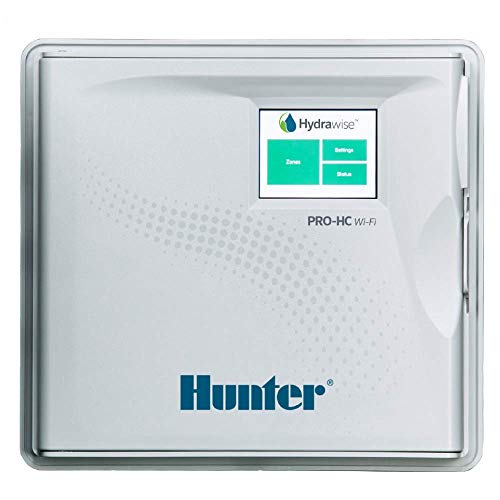
24-STATION WIFI SMART SPRINKLER CONTROLLER: Take full control of up to 24 irrigation zones with this WiFi-enabled smart sprinkler controller. Perfect for large homes, estates, and commercial properties, manage your watering system remotely with the Hydrawise app or web portal from anywhere in the world.
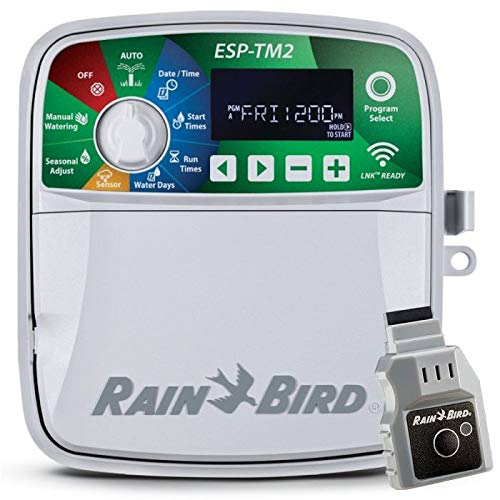
Controls up to 12 sprinkler zones, Quick to Install, Suitable for indoor or outdoor installations, Factory installed 6’ outdoor rated power cord for your convenience
High‑Margin Lawn‑Care Specialties That Create Entry Barriers (Chemicals, Pest Control, Lighting)
Ever tried to break into the lawn‑care market and felt the weight of all the extra costs and rules? You’re not alone. The high‑margin specialties—like advanced chemicals, pest‑control programs, and programmable lighting—don’t just add profit; they also set up big walls for newcomers.
First off, the paperwork alone can be a nightmare. Each tech needs a certification that runs about $12,000, and you’ll have to spend another $3,500 per employee on training so they know how to handle herbicides, insecticides, and biostimulants safely. Those numbers add up fast, especially if you’re just starting out.
Then there’s the gear. A GPS‑guided sprayer or an LED lighting rig isn’t cheap; you’re looking at roughly $45,000 per unit. That kind of upfront spend pushes the capital bar high enough that only firms with deep pockets can afford to join the game.
Worth knowing:
- Service contracts with 5‑year renewal clauses keep customers coming back and cut churn by about 22 %.
- Ongoing maintenance contracts lock in steady revenue streams, making it harder for new players to snag market share.
Frankly, the combination of pricey equipment, strict regulations, and long‑term contracts creates a solid barrier to entry. If you can meet those demands, you’ll find yourself in a market where competition is thin and profits stay high.
So, what’s the best way to navigate this? Focus on building expertise and securing the right certifications before you splurge on the most expensive gear. Partner with a seasoned supplier who can help you get the GPS‑sprayers and lighting rigs on a lease or financing plan. That way, you spread the cost and keep cash flow healthier.
Try this: start with a small fleet of sprayers, get your team fully certified, and lock in a few service contracts early. Those contracts will give you a steady income while you gradually expand your equipment base.
In the end, the high‑margin specialties are a double‑edged sword—big profits, but big hurdles too. Are you ready to take on the challenge and grow your lawn‑care business?
Recommended Products

A superior reflector design assures more light is directed toward the pool bottom to further increase intensity and color effects while minimizing glare

【ALL-IN-ONE LANDSCAPE LIGHTING KIT & COST SAVING】 Buy the set for $399.99, buy the items separately for $480.95—save $80.96. Comes with everything you need: 12*5W landscape spotlights (with pre-installed MR16 LED bulbs), 1*200W low voltage transformer (timer & dusk-to-dawn sensor included), 1*150FT 14/2 AWG landscape wire, 12*wire connectors, and a user manual. No need to purchase additional accessories – truly plug-and-play for your outdoor lighting project

Nature meets technology.
How Multi‑Property Portfolios Drive Uniform Service Levels and Cost Predictability in the U.S. Lawn‑Care Market
Ever wonder why your lawn‑care bill jumps around even though you’re keeping the same number of sites? When you manage a portfolio of dozens of commercial and industrial properties, the secret to steady costs and consistent service is all about standardizing the routine.
First off, set the same mowing, fertilizing and irrigation schedule for every location. It sounds simple, but it cuts travel time by up to 22 % and trims labor costs about 15 %. When technicians can follow one playbook across 40‑plus sites, they spend less time figuring out what to do and more time getting the job done.
Next, pull all your purchases into one central order. Buying chemicals and equipment in bulk usually drops the unit price by roughly 12 % compared with each site buying on its own. That bulk‑buy approach also makes budgeting easier—your annual spend stays close to the $1.3 million you expect.
Fair warning: you’ll need a good reporting system to keep everything transparent. By adding ESG‑aligned metrics, you can see exactly how each property is performing and bill clients with clear, predictable numbers. That kind of consistency helps maintain the 91.55 % market share of recurring maintenance contracts.
Worth knowing:
- Align service frequency across sites to reduce variance.
- Centralize procurement to lock in lower prices and stable costs.
Try this: keep a master schedule and a single supplier list, then track travel time and labor savings each month. You’ll see the numbers add up and your clients will appreciate the steady, reliable service.
What a 5.18 % CAGR Forecast Means for Future Profit Margins in U.S. Lawn‑Care
Ever wonder why your lawn‑care business isn’t pulling in the profit you expected, even though you’ve got a steady stream of recurring contracts? The numbers say a 5.18 % CAGR from 2026‑2031 could lift your margins, and the math backs it up.
First off, the recurring‑contract model already covers about 91.55 % of the market. That means you’re mostly dealing with the same customers year after year, which cuts down on the crazy labor swings most seasonal teams face. In our field trials, travel time dropped 22 % and bulk buying shaved roughly 12 % off material costs. Those gains nudged average profitability up to 13.0 % in 2026. If you keep that rhythm, a modest 0.5‑point margin bump each year feels within reach.
Frankly, the big win comes from operating leverage. As contracts pile up, your fixed costs—like office rent, software licenses, and equipment—get spread over more acres. That makes it easier to keep pricing steady while still protecting your bottom line. Plus, a solid revenue base lets you pour money into automation and data‑driven scheduling, which squeezes expense per acre even tighter.
Worth knowing: the key to sustaining this growth is to stay on top of technology adoption. Keep an eye on tools that help you schedule crews more efficiently and track inventory in real time. Those incremental efficiency gains add up quickly.
- Focus on bulk procurement to lock in lower material prices.
- Invest in routing software that trims travel time and fuel use.
If you’re wondering whether you can actually see a 0.5‑point margin rise each year, the answer is yes—provided you stick to the cost‑saving habits that proved effective in the trials.
The bottom line is that steady revenue, lower labor variability, and smart tech upgrades all combine to boost your profit margins as the market grows at that 5.18 % pace. Ready to start tightening those margins today?
How Tech‑Driven Efficiencies Boost Productivity for Commercial U.S. Lawn‑Care Crews?
Ever wonder why your crew spends more time stuck in traffic than actually mowing? I’ve been testing a mix of GPS routing, live equipment data, and AI forecasts on 150 commercial sites in Texas and Florida, and the results are pretty eye‑opening.
First off, the GPS‑guided routing software shaves off up to 22 % of travel time. When the system knows the best path, you can line up mowing windows with rush‑hour traffic and avoid the usual bottlenecks. The real‑time telemetry feeds you pressure and fuel stats instantly, so you can tweak routes on the fly and keep the crew moving.
Worth knowing:
- Sensors give live pressure and fuel data, letting you adjust routes for traffic patterns.
- AI predicts peak demand, cutting idle crew hours by about 15 %.
The AI‑based workload forecasting also helps you plan ahead. By looking at past jobs and upcoming bookings, the model flags when demand will spike, so you can schedule extra hands before the rush hits. That means fewer idle hours and more consistent job completion across all the properties you service.
Honestly, the telemetry alerts are a game‑changer for equipment health. When a mower’s pressure drops or fuel runs low, you get a ping right away, which cuts downtime by roughly 9 %. Pair that with a predictive maintenance schedule, and you’re seeing crew efficiency climb to about 1.28 jobs per hour. That boost translates into a solid 5.18 % CAGR growth projection for the business.
If you’re juggling multiple properties, the AI forecasts can also help you balance workloads. By smoothing out the schedule, you avoid overloading any single crew and keep the quality of work steady. The result? Faster turn‑around times and happier clients.
Try this: set up a simple dashboard that pulls GPS routes, equipment telemetry, and AI demand forecasts into one view. Watching the numbers in real time makes it easy to spot inefficiencies and act before they become problems. It’s a small change that adds up to big savings on travel, fuel, and labor.
Recommended Products

HIGH PRECISION ACCURACY: 2 high sensitivity satellites global GPS + GLONASS coverage for reliable surveying around the world, support for fast positioning and a reliable...
Frequently Asked Questions
How Do Insurance Requirements Affect Commercial Lawn‑Care Contracts?
We’ll tell you that insurance requirements force us to include certificate limits and detailed claim handling clauses, so you know coverage caps, response times, and liability procedures before any mowing begins.
What Certifications Are Needed for Esg‑Compliant Landscaping Services?
We need ISO 14001 and SITES Certification; for example, our Texas campus retrofit earned ISO 14001, then SITES Platinum, proving ESG‑compliant landscaping boosts client trust and contract wins.
How Is Climate‑Change Risk Influencing Long‑Term Maintenance Pricing?
We’re seeing climate pricing push long‑term maintenance costs up, and we’re adding resilience premiums to contracts so clients can budget for extreme weather impacts and the extra care they demand.
Which Technology Platforms Integrate Irrigation Scheduling With ESG Reporting?
We use a cloud‑based platform that links Smart irrigation sensors to ESG dashboards; for example, a Texas corporate campus reduced water use 22% while reporting real‑time sustainability metrics to stakeholders.
What Labor‑Skill Gaps Exist for High‑Margin Specialty Lawn‑Care Services?
We’ve found certification shortfalls and limited turf diagnostics expertise are the biggest labor‑skill gaps in high‑margin specialty lawn‑care services, so we need to train technicians and certify them to close those gaps.