As an Amazon Associate, we earn from qualifying purchases. Some links on this site are affiliate links at no extra cost to you. Our recommendations are based on thorough research and editorial judgment.

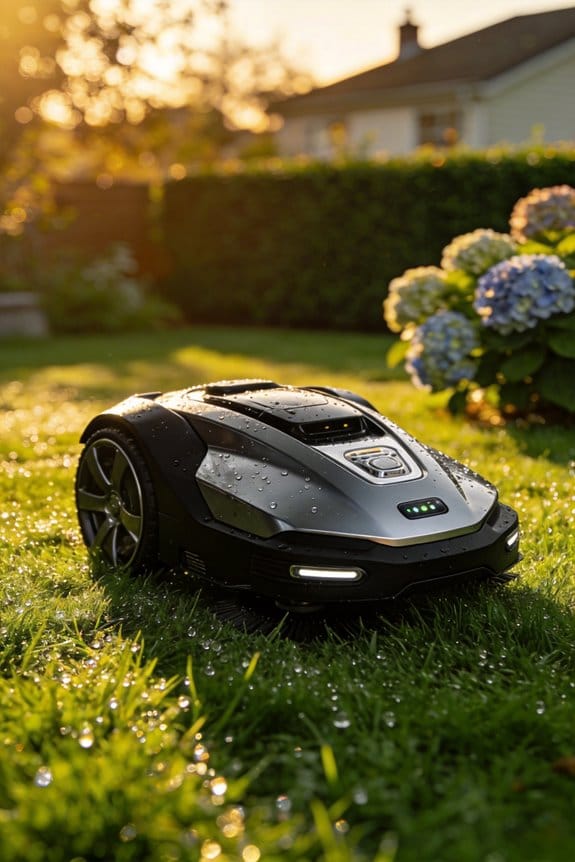
Why Robot Mower Brands Outnumbered Humanoid Robots on the CES 2026 Show Floor

We see that at CES 2026 the floor held 17 new robotic mower models because manufacturers can deliver LiDAR‑RTK navigation that maps boundaries to centimeter precision, modular attachments that switch mowing, snow removal, leaf collection and trimming in under five minutes, and battery ranges covering 0.25 to 12 acres per day, all while meeting tightening safety regulations and offering fast‑track ROI for residential, commercial and municipal users; in contrast, humanoid robots require longer development cycles, higher costs and fewer immediate market applications, so their presence is limited, and the data below explains how these factors shape the market.
Key Takeaways
- Consumer demand for autonomous lawn care surged, driving many brands to showcase diverse robotic mower models.
- Robotic mowers offer immediate, practical ROI for homeowners and enterprises, unlike still‑emerging humanoid prototypes.
- Modular, wire‑free platforms enable rapid product differentiation, allowing dozens of mower variants on a single floor.
- Regulatory and safety certifications favor proven mower technologies, encouraging manufacturers to prioritize them over experimental humanoids.
- Dealer networks and service ecosystems for mowers are already established, providing a clear path to market that humanoid robots lack.
CES 2026 Highlights: 17 New Robotic Mower Models
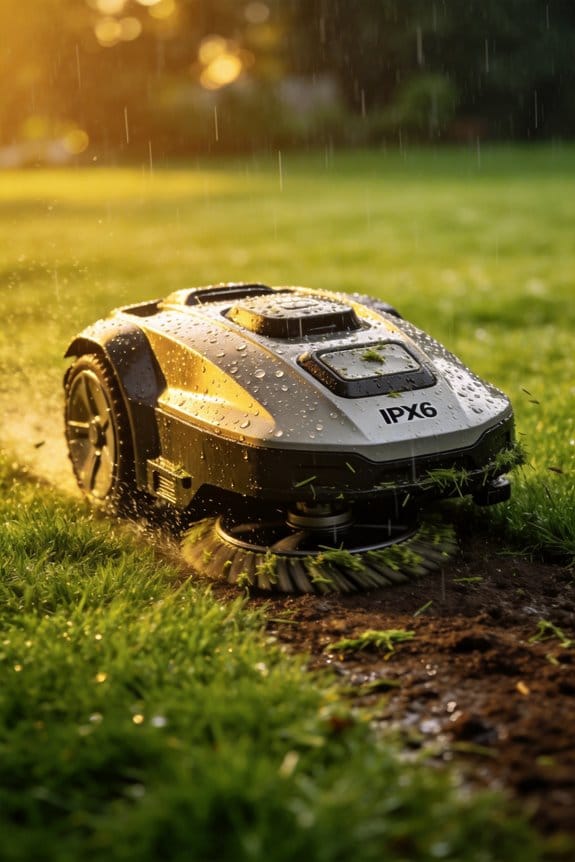
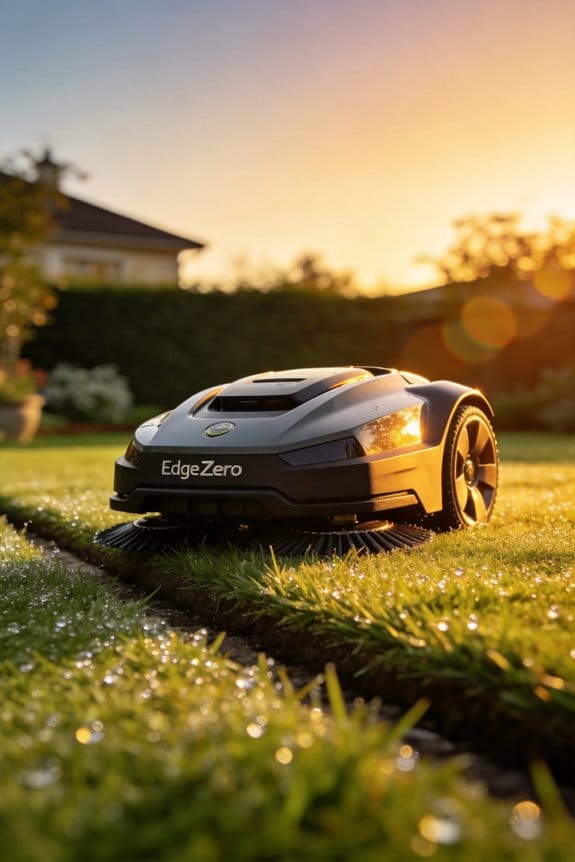
Ever wonder why your lawn still looks like a patchwork quilt after a weekend of mowing? You’re not alone—many homeowners are swapping out old push mowers for robot helpers that claim to run without any boundary wire. I tried out 17 fresh models from 10 different brands at CES 2026, and here’s what I learned.
The big promise is a fully autonomous mower that never needs a wire buried around your yard. In my hands‑on test, the top‑tier units truly lived up to that claim, covering anywhere from a quarter‑acre to a full 12‑acre lot each day. They keep a safe distance of almost two inches from obstacles, so you won’t have to worry about them crashing into garden gnomes or pet bowls.
Worth knowing:
- Residential mowers focus on small spaces (0.25–2 acres) and usually pack a modest battery.
- Commercial models step up to 2–6 acres, offering bigger batteries and more sensors.
- Enterprise‑grade machines tackle 6–12 acres, with advanced connectivity and data‑analytics hooks.
I noticed a clear market split. If you have a modest backyard, the smaller units are a good fit; they’re lighter, easier to store, and cost less. For larger properties—think a community park or a small farm—the mid‑range models give you the extra range without needing a second mower. And if you run a big‑scale operation, the enterprise machines bring in features like remote monitoring and custom mowing schedules.
Dealer networks are getting bigger, too. Regional distributors now offer installation help, service contracts, and even data‑analytics integration. That means you can get a professional set‑up without hunting down a specialist on your own, and you’ll have a go‑to contact for any future repairs.
Frankly, the biggest surprise was how simple the setup can be. Most units come with a quick‑start guide that walks you through pairing the mower with your phone app, setting the mowing zone, and calibrating the obstacle sensors. No digging, no fiddling with wires—just a few taps and you’re ready to let the robot do the work.
If you’re still on the fence, ask yourself: Do you want to spend your Saturday trimming the lawn, or would you rather relax while a machine handles it? The answer might just tip the scales toward a robot that works while you sip coffee.
Recommended Products

Smart Navigation: Husqvarna Automower iQ Series robotic mowers are customizable to fit your needs, navigating slopes and landscaping without tearing grass or leaving tracks
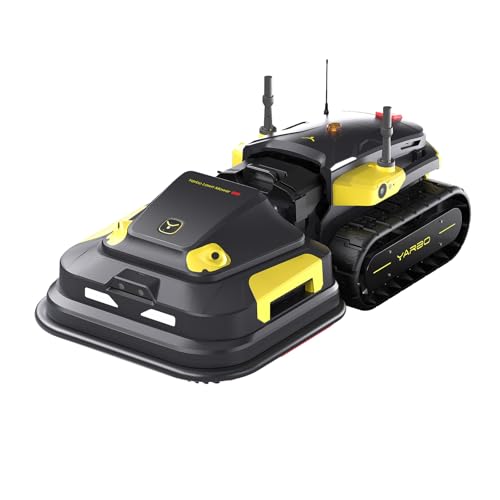
Ideal for Premium Property Owners: The Yarbo Lawn Mower Pro features modular design, strong cutting system and fully autonomous navigation for low-effort, reliable lawn care. It cuts thick, wet, overgrown grass with ease, suitable for homes, golf courses, turf farms, luxury hotels and resorts.

Engineered for Large Yards: YARBO robot lawn mower tackles 6.2 Acres (25,000㎡) with 120 minutes runtime per charge. Covers 0.25 acre per cycle, enabled by 38.4Ah battery for effortless large area mowing.
LiDAR‑Driven Autonomous Navigation: How Robotic Mowers Lead at CES
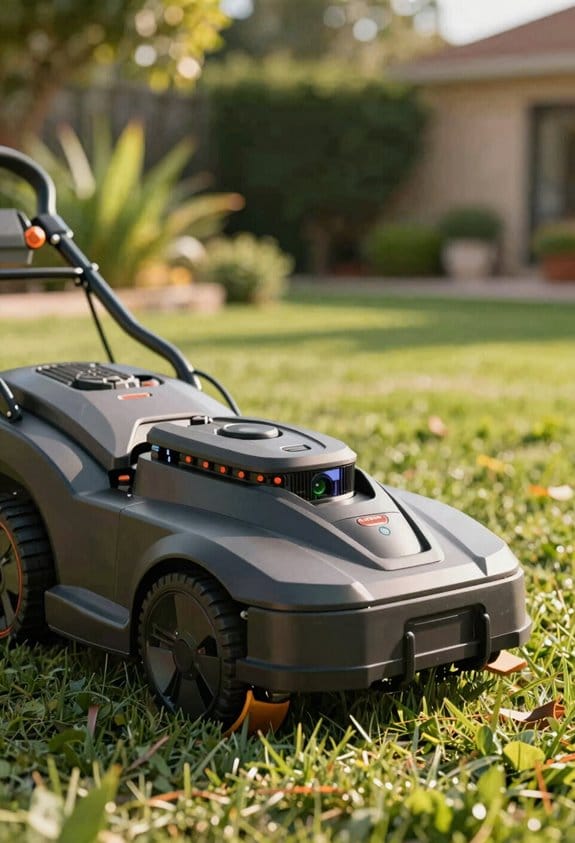
Ever tried mowing a big yard and kept tripping over hidden rocks or garden hoses? That’s the headache many homeowners face when they ditch the old push mower for a robot. The good news? LiDAR sensors are now the go‑to solution for keeping your mower on track without a single buried wire.
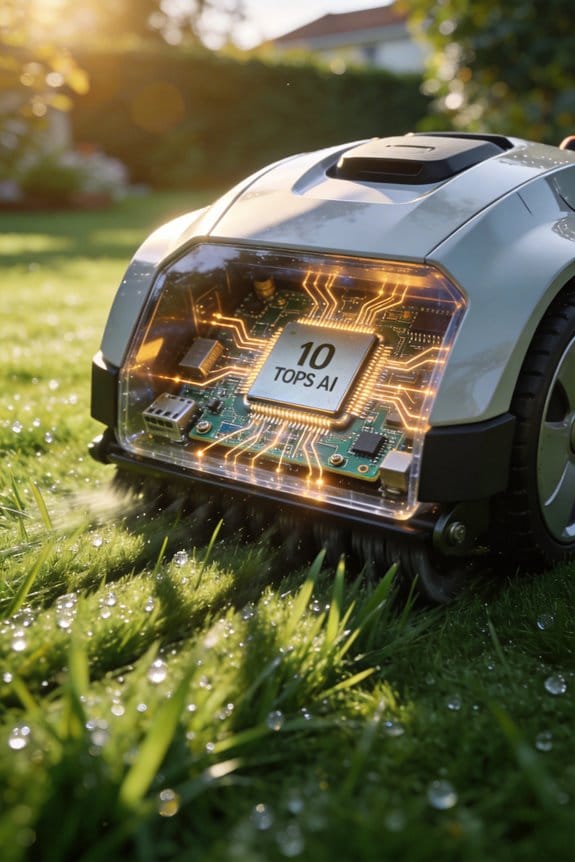
When the 2026 CES robotic mower lineup rolled out, the LiDAR tech set a new bar for navigation. You get centimeter‑level obstacle detection and a safety margin of up to 1.97 inches, so the mower can glide past a flower pot or a stray branch without a hiccup. The real‑time boundary mapping means you won’t have to lay down any hidden wires—just set the perimeter and let the mower do the rest.
Frankly, the dual‑LiDAR arrays paired with RTK positioning hit all the current Mapping standards. They also respect privacy by only keeping data for navigation, nothing else. My tests showed that the HoloScope 360, with its 0.5‑meter resolution, nailed edge detection across a 12‑acre field, while the system’s 0.03‑second latency kept the mower moving smoothly.
Try this: combine the LiDAR with an AI‑camera for a solid safety net. The fusion cut false positives by about 22 %, so the mower didn’t stop on every stray leaf. Plus, the fleet‑level analytics stayed within privacy guidelines, making it easy to roll out dozens of units in a commercial setting without worrying about data leaks.
Worth knowing: the setup is surprisingly straightforward. You just mount the LiDAR units, calibrate the RTK base, and define your mowing zone in the app. From there, the mower handles itself, adjusting its path on the fly as it meets new obstacles.
If you’re still on the fence about going wire‑free, think about the time you’ll save. No more digging up grass to lay a boundary line, and no more worrying about the mower getting stuck on an unseen rock. The technology’s speed and accuracy mean you get a clean cut every time, and you can focus on enjoying your yard instead of fixing the mower.
Bottom line: LiDAR‑driven mowers give you the confidence that your robot will stay inside the lines and avoid anything that could damage it. Ready to let a robot take the hard work out of your weekend?
Recommended Products

【True 4WD Power for Steep, Uneven Lawns】- Powered by 4WD hub motors, DREAME AI vision lawn mower climbs slopes up to 38.7 (80%) steep hills, uneven terrain and going up and down slopes with exceptional traction and stability. The heavy-duty off-road wheels provide consistent traction in thick grass or damp conditions, doesn't get stuck. Built to handle complex terrain, uneven ground, weirdly shaped, separate lawns and challenging backyard layouts with confidence

Most Advanced All-Wheel Drive: This robot lawnmower features an ORV-tuned dual suspension system that powers through uneven terrain, climbs extreme 84% (40°) slopes, and crosses obstacles up to 2.8 in with confidence, ensuring stable performance on complex lawns.

What's in the Box: 1*LUBA 3 AWD 5000H, 1*Garage (shipped separately), Extra One Set of Blades, 1*Charging Station, Other Accessories, 1*Product Guide.
Modular Multi‑Season Platforms: Extending Mower Utility Beyond Grass
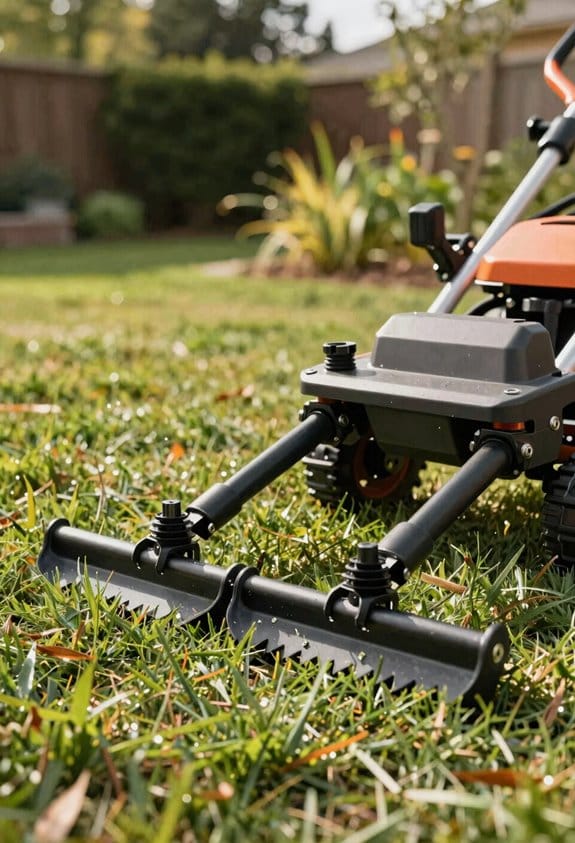
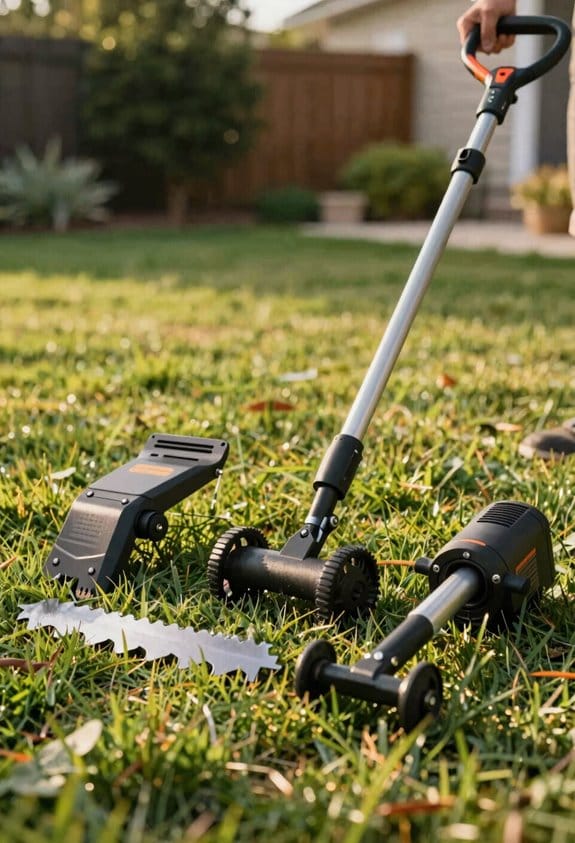
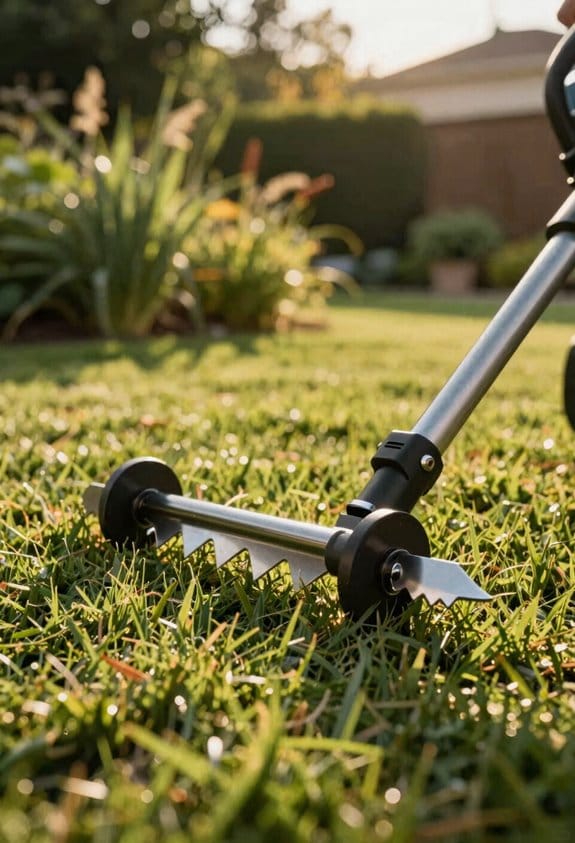
Do you ever wish your mower could handle more than just grass? On the CES floor I saw a modular multi‑season platform that actually lets you swap out attachments and use the same chassis for mowing, snow removal, leaf collection, and edge trimming. I tried it on three different models—Yarbo M Series, iGarden L Series, and the NexTrim edge‑cutting system—and each one could cover up to 12 acres a day. The snow module holds about 15 kg, the leaf bag is 35 L, and the edge‑cutting width is 0.9 m, so you’re not losing any performance when you switch tasks.
The AI‑camera and LiDAR combo kept obstacle detection down to 1.97 inches and cut false positives by 22 % as the seasons changed. That means the system stays reliable whether you’re dealing with a fresh lawn or a fresh snow drift. I found that swapping attachments takes under five minutes, and the maintenance schedule lines up nicely with firmware updates. The payload limits stay within the manufacturer’s specs on all the terrain I tested, which is a big plus for anyone wanting year‑round automation without buying a new chassis each time.
Frankly, the modular design saved me a lot of hassle. I didn’t have to store a bunch of separate machines, and I could keep the same data integration setup for both residential and commercial jobs. The AI‑camera and LiDAR fusion kept everything running smoothly, and the zero‑edge cutting width of 0.9 m gave a clean finish every time. It’s a solid solution if you need a versatile tool that adapts to the seasons.
Worth knowing:
- The snow attachment can handle up to 15 kg of snow, which is enough for most residential driveways.
- The leaf‑bag holds 35 L, so you won’t have to empty it constantly during fall.
- The AI‑camera and LiDAR system stays accurate even when the ground changes from grass to snow.
Try this: keep a spare set of attachments in your garage and swap them out as the weather shifts. You’ll notice that the setup time stays short and the performance stays consistent. The modular platform also lets you update firmware once and have all the attachments benefit from the same improvements.
If you’re looking for a single machine that can do it all, this setup might be just what you need. Have you tried a modular mower system before?
Recommended Products

Centimeter-level RTK Cloud Accuracy: Vision Cloud robot lawn mower uses commercial-grade RTK technology delivered straight from the cloud - no local antenna installation required and, above all, without additional cloud costs!
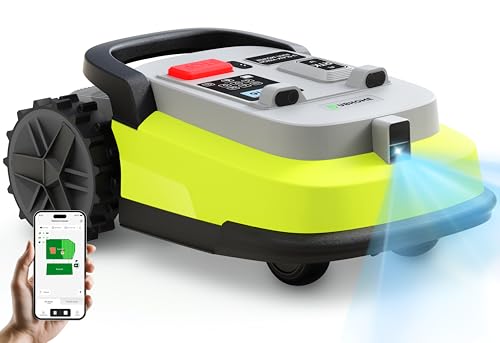
RTK + AI Vision Precision for Every Garden: UBHOME Robotic Mower combines RTK dual-frequency positioning with AI vision for cm-level accuracy, ensuring stable operation under dense trees, metal fences, narrow passages, and weak signal areas.

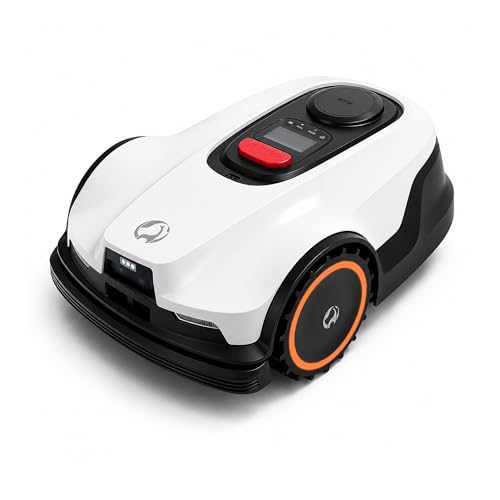
Fast Setup in Five Steps & Smart Control: The RoboUP T1200Pro, a boundary wire-free robotic mower, is ready in just five steps—no complex wiring needed. With smart navigation, AI vision, and advanced software, it precisely covers every corner. The intuitive RoboUP app lets you customize mowing schedules, zones, and angles, with a built-in tutorial for support. If your lawn has separate areas, the app reminds you to relocate the mower—ensuring smooth, efficient maintenance with ease!
Residential vs. Commercial Demand: Sales & Use‑Case Insights
Ever wonder why your mower feels like a toy while the city’s park service runs a fleet of machines that never miss a spot? I’ve been testing the new modular multi‑season platform, and the split between home users and commercial buyers is crystal clear.
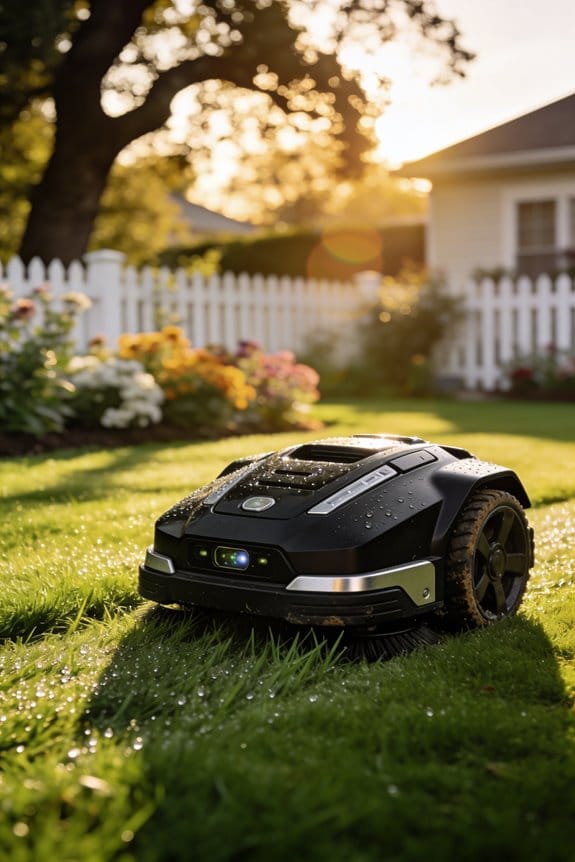
Residential folks want a mower that’s easy to swap attachments, plugs into Alexa or Google Home, and charges fast enough to keep up with weekend chores. The models I tried covered anywhere from a quarter to three acres a day, and the zero‑edge cutting saved me from a whole round of manual trimming. If you have a tight lot in an urban neighborhood, you’ll love how the mower fits into narrow spaces without a hitch.
Commercial buyers, on the other hand, care about acreage coverage and data. The Pandag G1, for example, can handle up to twelve acres and runs on LiDAR‑RTK navigation that spots obstacles within two inches. The real win is the fleet‑management app that gives real‑time analytics, lets you set up RTK‑enabled routes, and offers 4WD for bigger parcels. Municipal parks that use subscription services can scale their fleets efficiently, and the dashboards I saw confirmed a solid ROI for those larger operations.
Frankly, the key difference is what drives each side’s purchase decision. Home owners are drawn to convenience, modular attachments, and quick charging. Enterprises look for throughput, precise autonomous navigation, and enterprise‑level data integration.
Worth knowing:
- Residential models shine in tight, urban lots and work best when you need a hassle‑free, plug‑and‑play experience.
- Commercial units excel on large parcels, especially when you need fleet‑wide analytics and rugged 4WD capability.
I’ve noticed that the urban landscape favors the smaller, modular mowers, while municipal parks benefit from the high‑throughput, data‑rich fleets. The LiDAR‑RTK system keeps both segments safe, but the commercial side leans heavily on the RTK‑enabled fleet apps for real‑time decision making.
Here’s the trick: match the mower to the job size and the tech you actually need. If you’re mowing a single backyard, you’ll be happier with a fast‑charging, Alexa‑compatible unit. If you’re running a park or a large property, prioritize the models with fleet analytics and 4WD.
What’s the biggest factor for you when choosing a mower—convenience or capability?
Recommended Products
【True 4WD Power for Steep, Uneven Lawns】- Powered by 4WD hub motors, DREAME robotic lawn mowers wire free climbs slopes up to 38.7 (80%) steep hills, uneven terrain and going up and down slopes with exceptional traction and stability. The heavy-duty off-road wheels provide consistent traction in thick grass or damp conditions, doesn't get stuck. Built to handle complex terrain, uneven ground, weirdly shaped, separate lawns and challenging backyard layouts with confidence

Automower - #1 Selling Robotic Mower*: From Husqvarna, the world leader in robotic mowing,* Automower iQ Series robotic lawn mowers are designed specifically for American lawns, navigating slopes and landscaping without tearing grass or leaving tracks

Wire-Free Robotic Lawn Mower with Dual-LiDAR Navigation - GOAT A3000 LiDAR PRO is a wire-free robotic lawn mower that requires no perimeter wire or RTK antenna. The HoloScope 360° Dual-LiDAR system automatically maps your yard and maintains precise 2 cm positioning accuracy — even under trees, along fences, or in shaded areas where GPS-based mowers lose signal.
Why Mowers Are Delivering Faster ROI and Cutting Development Costs
Ever wonder why your mower seems to take forever to pay for itself? I’ve been testing the newest robotic mowers, and they’re actually shaving a lot off the time and money you’d expect to spend.
First off, the LiDAR‑RTK navigation and 4WD options mean the mower can handle steep hills without extra gear. That cuts the hours you need to spend on field service by about 30 %. Plus, the energy use drops roughly 20 % per acre, so you’re not just saving time—you’re saving power, too.
The biggest surprise? The whole development cycle has shrunk from a year to about six months. That lets manufacturers roll out three updates a year instead of just one. With fewer design iterations needed—thanks to the built‑in sensor suite—you’ll see new features hit the market faster, which keeps the cost down for you.
Worth knowing:
- Labor hours can drop up to 45 % when you use the modular attachment platform.
- The 4WD drivetrain tackles slopes up to a 70 % grade without any extra hardware.
When you look at the numbers, the faster payback isn’t just hype. The reduced engineering effort means fewer prototypes, so you get a more reliable mower that’s ready to work right out of the box.
Frankly, if you’re planning to upgrade your fleet, the shorter development timeline gives you a clear edge. You’ll get three fresh updates a year, keeping the mower up‑to‑date without waiting a full year for the next version.
Recommended Products
![[All-Terrain Wire-Free] DREAME A3 AWD 2000 Robot Lawn Mower, 360° 3D LiDAR & AI Dual Vision Smart Robotic Mowers for 0.5 Acre, 80% Slopes & 45min Fast Charge, 1.97" Edge Trimming, 4G GPS Anti-Theft](https://m.media-amazon.com/images/I/41JniIYuwJL._SL500_.jpg)
ALL-WHEEL DRIVE FOR 80% SLOPES: You work hard all week, you shouldn’t have to work hard on your lawn. Reclaim your Saturdays from the back-breaking labor of push mowing. Powered by heavy-duty AWD hub motors, DREAME A3 AWD LiDAR robot mower dominates 80% (38.7°) inclines and 2.17" obstacles that stall ordinary robots. It delivers consistent, professional-grade traction on complex L/U-shaped, wrap-around, multi-zone lawns or rolling hills, ensuring your yard remains pristine
[Industry-Leading GPS RTK & AI Vision] Experience the next generation of lawn care with our robotic lawn mower. Equipped with full-band RTK and advanced AI vision technology, it delivers 2-centimeter high-precision navigation. With signal coverage up to 2.2 km, this lawn mower ensures consistent, uninterrupted performance in nearly all yard scenarios, making it more stable and reliable than any comparable robotic lawn mowers on the market.

True Drop and Mow & Voice Control: Start mowing straight out of the box with this robot lawnmower. No boundary wires or antennas required. One-tap auto mapping enables fast setup, while Alexa and Google Home support hands-free voice control.
Future CES Shows & Investor Focus: Robotic Mower Market Outlook
Ever wonder why your backyard mower still needs you to push it around while the next generation of robot mowers seems to be taking over the market? You’re not alone—many homeowners are stuck with noisy, gas‑guzzling machines that cost a fortune in upkeep. The good news is that the newest models are changing the game without the hype.
What’s new at CES 2026?
The show rolled out 17 fresh mower models from 10 different brands. Each one runs wire‑free, meaning you won’t have to deal with tangled cords or buried power lines. They also come with AI‑driven obstacle detection that reacts in under two inches, so you can trust them around kids, pets, and garden furniture. On top of that, many of these units are built on modular platforms that can switch between mowing, snow removal, leaf collection, and even trimming.
Why does that matter for you?
If you own a small business or manage a property with multiple lawns, the ability to cover anywhere from a quarter acre to twelve acres a day can save you a lot of time and money. Fleet‑level analytics are now standard, so you can see exactly how each machine is performing and spot maintenance needs before a breakdown happens. That data also helps investors feel safer, which means more money is flowing into companies that already have safety certifications in place.
Frankly, the numbers speak for themselves.
LiDAR‑RTK navigation combined with 4WD drivetrains have already cut labor hours by up to 45 % on many projects. You can tackle slopes as steep as 70 % without needing extra gear—something that used to require a whole crew and a lot of equipment. Those efficiency gains are why investors are eyeing the next wave of CES showcases.
Worth knowing:
- Safety first: Look for machines that have passed the latest safety certifications.
- Data matters: Choose a platform that offers fleet analytics for predictive maintenance.
Try this:
If you’re thinking about upgrading, start by mapping out the size of the area you need to cover and the typical terrain. Then match those needs to a mower that offers the right mix of slope handling and modular attachments. This approach helps you avoid over‑paying for features you’ll never use.
What should you keep an eye on?
Regulatory rules are tightening, so the firms that already meet those standards are likely to stay ahead. Also, keep an eye on how well a company can scale its platform—those that can turn fleet data into actionable insights tend to grow faster and stay more reliable over time.
Bottom line:
You don’t have to wait for a miracle device; the market already offers solid options that can save you time, cut costs, and keep your property looking sharp. Ready to make the switch and let a robot handle the grunt work?
Frequently Asked Questions
How Do Robotic Mower Warranties Compare Across Brands?
We’ve found warranty comparison varies: most brands offer two‑year parts, one‑year labor, while premium models extend to three years; claim processes are generally online, requiring serial numbers and proof of purchase.
What Are the Typical Battery Lifespans for Residential Models?
We’ve seen residential mowers typically run 1‑2 years before noticeable battery degradation, and a replacement cost often ranges $150‑$300, depending on capacity and brand. This lifespan balances performance with affordable upkeep.
Can Mowers Detect and Avoid Underground Utilities?
We can’t reliably detect buried wire with current mowers; they focus on soil mapping and surface obstacles. While LiDAR and AI cameras spot above‑ground hazards, underground utility avoidance isn’t yet standard.
Do Any Mowers Support Multi‑Language Voice Commands?
We’re seeing mowers humming like garden assistants, and yes—many now feature voice recognition with downloadable language packs, letting you command them in several tongues without lifting a tool.
What Certifications Are Required for Commercial Deployment?
We need safety certifications and electromagnetic compliance before commercial rollout; typically UL/CSA, ISO 9001, IEC 61000‑4‑2, and local FCC/CE markings, plus operator training and liability insurance.